Myths and Misconceptions About Traveling to Cuba from the U.S.


Traveling to Cuba from the U.S. is a fascinating experience, but it's often surrounded by myths and misconceptions. These misunderstandings can deter potential travelers from exploring this vibrant island nation. Let’s debunk some common myths to help you plan your trip with confidence.
Myth 1: Traveling to Cuba is Illegal for Americans
One of the most prevalent myths is that traveling to Cuba is illegal for U.S. citizens. While restrictions exist, travel is not prohibited. Americans can visit under one of the 12 categories of authorized travel, including family visits, educational activities, and support for the Cuban people. It's essential to understand the guidelines and ensure compliance with U.S. regulations.
When planning your itinerary, be sure to engage in activities that fall under your chosen category. This could include staying in a casa particular or eating at privately-owned paladares to support local businesses.

Myth 2: U.S. Dollars Are Not Accepted
Another common misconception is that U.S. dollars are not accepted in Cuba. While Cuba has its own currency, the Cuban Peso (CUP) and the Cuban Convertible Peso (CUC), U.S. dollars can be exchanged upon arrival. Bear in mind that there is a 10% fee for exchanging U.S. dollars, so it might be more economical to bring euros or Canadian dollars instead.
It’s advisable to carry sufficient cash, as credit and debit cards issued by U.S. banks are generally not accepted in Cuba. Always check the latest currency exchange rates and fees to plan your finances effectively.
Myth 3: Internet Access is Unavailable
The belief that internet access is unavailable in Cuba is outdated. While connectivity might not be as widespread as in other destinations, Wi-Fi is accessible in many hotels, public parks, and cafes. You can purchase internet cards from ETECSA, the state telecommunications company, to access Wi-Fi hotspots.

Keep in mind that internet speed may be slower than you're used to, so it’s a good idea to download any necessary information or apps before your trip. Enjoy the opportunity to disconnect and immerse yourself in the local culture.
Myth 4: Cuban Food Lacks Variety
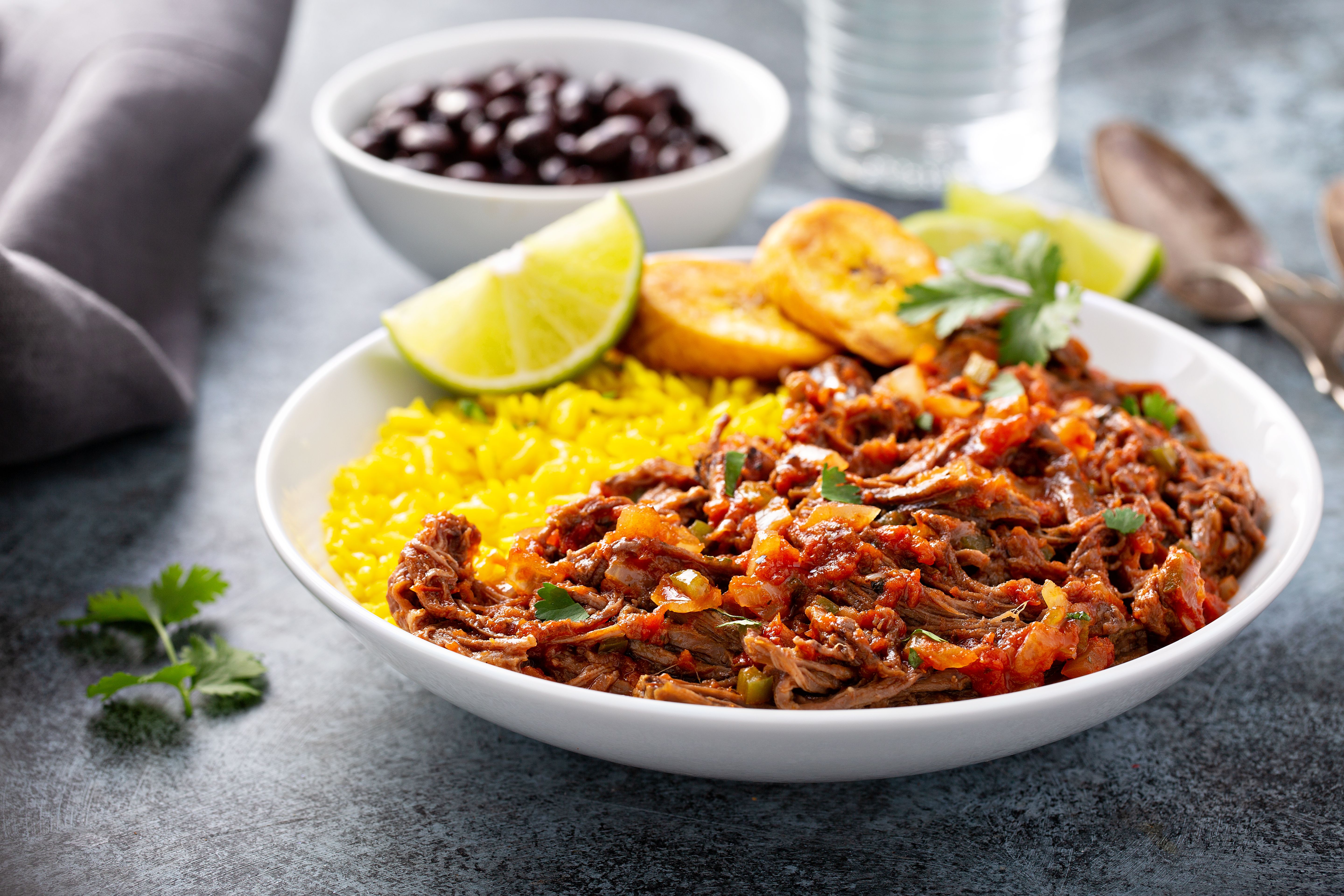
Many travelers assume that Cuban cuisine lacks variety and flavor. In reality, Cuban food is a delightful blend of Spanish, African, and Caribbean influences. From classic dishes like ropa vieja to street food such as churros and croquetas, there's something to satisfy every palate.
For an authentic experience, venture beyond tourist spots and try meals at local paladares. These privately-owned restaurants offer unique dishes made with fresh, local ingredients.
Myth 5: English is Not Spoken
While Spanish is the official language, many Cubans working in tourism and hospitality speak English. It’s helpful to learn basic Spanish phrases, but you'll find that communication is often possible without fluency in the language.
Understanding these myths and misconceptions can help you travel to Cuba with a clear and informed perspective. Embrace the island’s rich culture, history, and hospitality, and enjoy a trip like no other.